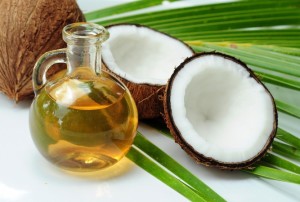
 If you have ever heard of Bulletproof Coffee, you have heard of MCTs…even if you aren’t aware of it. MCTs, and more specifically MCT oils, are an integral part of this health food fad, among several others. But what exactly are MCTs, what can they do for us, and where do we get them?
What are MCTs?
MCTs are medium-chain triglycerides, or medium-chain fatty acids. All fats are made up of a chain of carbon and hydrogen. Fats with less than six carbon molecules are short-chain fats, and those with 13-21 carbons are long-chain fats. Right in the middle, with 6-12 carbon molecules, are medium-chain triglycerides, and there are three specific fatty acids that are classified as MCTs:
- Caproic Acid (C6)
- Caprylic Acid (C8)
- Capric Acid (C10)
C12, or lauric acid, chemically qualifies as an MCT; however, our bodies metabolize it differently than the other three MCTs, making it a pseudo-MCT. That’s not to say that lauric acid isn’t good for you, because it is. It has several antimicrobial benefits. It just doesn’t give our brains and bodies the same quick, efficient ketone energy that true MCTs do.
What are the Benefits of MCTs?
The secret to MCTs is in the way that our bodies digest and metabolize them. Long-chain triglycerides, which comprise the majority of dietary fats, require a significant amount of energy and effort to be disassembled and put to work in our bodies. MCTs, on the other hand, are extremely easy for our bodies to break down and use for energy. Bile salts aren’t required for their digestion and they pass from the GI tract to the bloodstream without being altered in the way long-chain fats have to be. Once MCTs are consumed they are very quickly converted into ketone energy to fuel our brains and body. This means that MCTs are used right away and are not stored as fat.
MCTs have a long list of far-reaching benefits. One major reason why many people supplement with MCTa is that they are like rocket fuel for your brain. They help keep you focused and alert, and enhance overall brain function.
But that’s not all that MCTs can do. They can improve digestion and nutrient absorption, so much so that they are often used therapeutically for people suffering from malabsorption problems. MCTs can also help improve blood sugar regulation, thyroid function and fat metabolism. Clearly, these little guys pack a big punch.
What are the Sources of MCTs?
You can get MCTs from some whole foods. Coconut oil, palm kernel oil, cheese, milk, butter and yoghurt are all sources of MCTs. Of those six, coconut oil has the highest concentration, with 15% of its total fat composition consisting of MCTs.
The trouble with relying on whole foods for your MCTs is that they contain very low concentrations of these desirable fats. You would have to eat an entire mountain of them to reap the optimal, noticeable benefits. Luckily, you can supplement your diet with straight MCTs through the use of MCT oils.
These oils are specially concentrated so that they are comprised almost entirely of MCTs. One tablespoon of MCT oil contains about 15g of MCTs, whereas the same amount of coconut oil only contains about 2g.
How Can You Use MCT Oil?
Implementing MCT oil into your supplement regimen is actually quite easy. Since it is a liquid oil, not a pill, you can use it to make salad dressings or just drizzled over your food. You can even use it as a cooking oil, although be careful not to heat it about 150°C as it will oxidize. But perhaps the easiest way to get your dose of MCTs is to stir a spoon of it into your morning coffee, tea or smoothie. You will hardly taste it, but you will definitely feel it!
It is also relatively inexpensive. Price does vary by brand, but typically MCT oil only costs about $0.02-$0.03 per serving.
It’s important to note that if you have never taken MCT oil before, you should start out with a small dose, about one tablespoon per day, to see how your body reacts. Too much too soon can cause nausea and gastrointestinal distress. Once your body acclimates to the oil you can then gradually increase your dose.
Which One to Choose?
There is a huge selection of MCTs oils on the market for you to choose from, so it is important to know what to look for when you are purchasing one. First and foremost, avoid brands that cut their MCT oil with lauric acid. As we’ve discussed, this is not a true MCT and your body will not process it the same. Second, just like with anything you are putting in your body, quality matters. And when it comes to MCTs quality is synonymous with purity. C17 is a byproduct of many MCT oil production processes. It, along with C6, can cause some serious digestive discomfort and irritation, so when you are choosing your MCT oil, choose one that contains C8, or a combination of C8 and C10, with the highest levels of purity.
Leave a Reply